Elon Musk Reveals Tesla Roadster Flying Car
Elon Musk Reveals Tesla Roadster Flying Car: Features, Technology, and Expected Release
Tesla Roadster Flying Car: An Exciting New Chapter in Electric Vehicle Technology
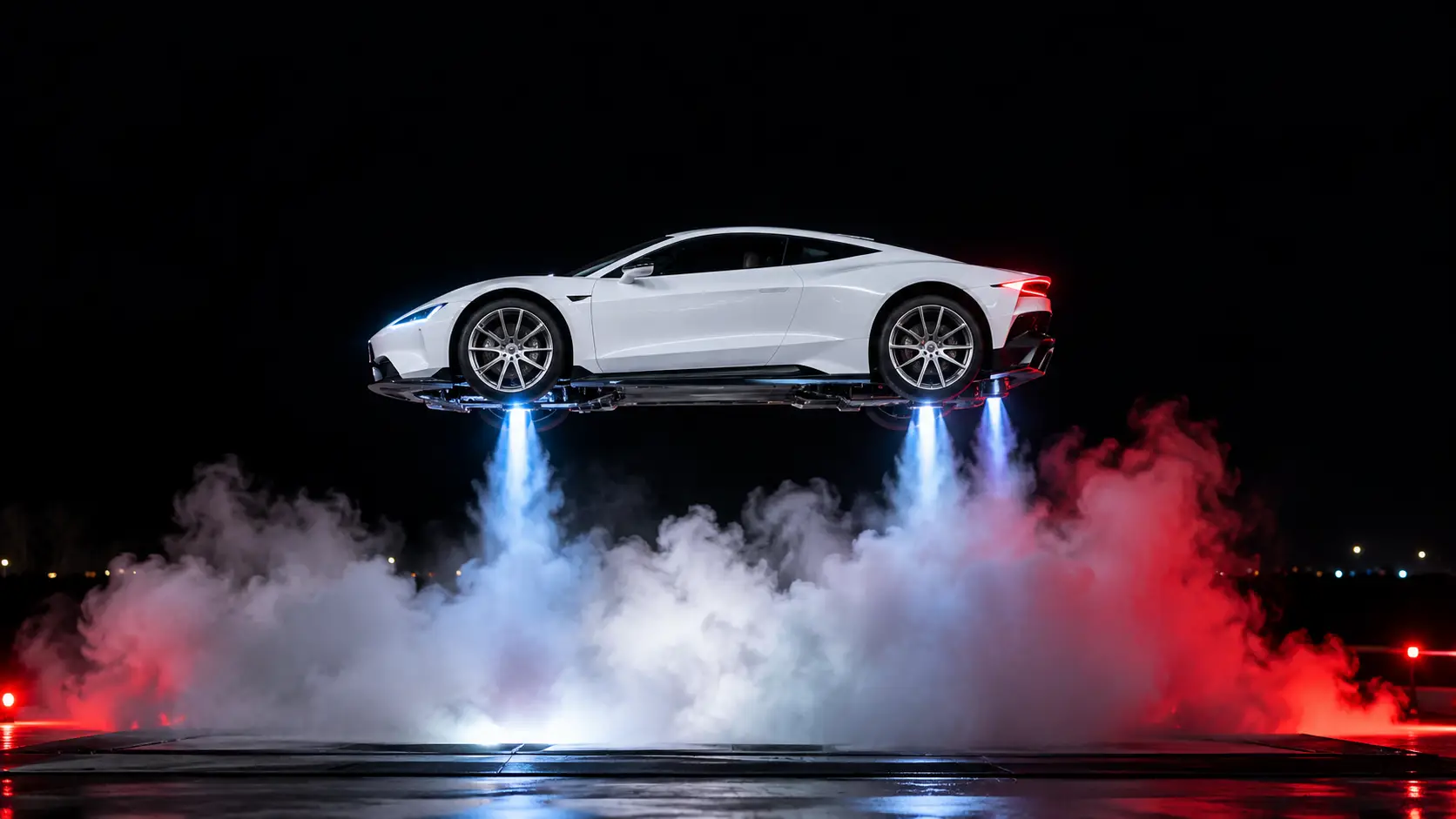
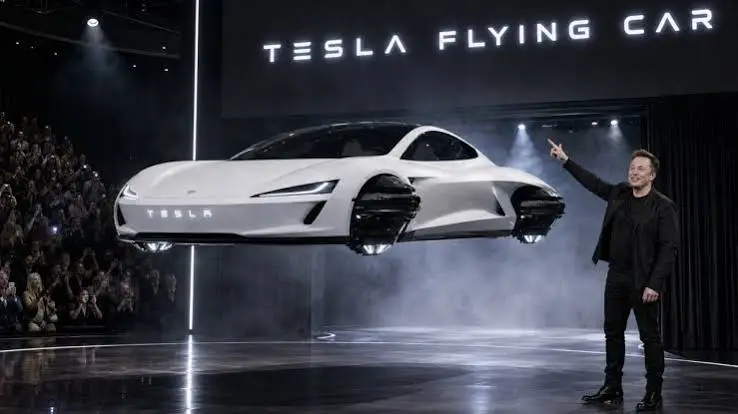
Elon Musk has once again attracted global attention with Tesla’s latest Roadster reveal. On October 15, 2026, Tesla showcased a redesigned version of its next-generation electric sports car at a SpaceX facility in Texas. The demonstration featured an extraordinary concept: a Roadster equipped with propulsion technology capable of lifting the vehicle into the air for brief aerial maneuvers.
The announcement has sparked interest among car enthusiasts, technology fans, and people who have long imagined a future where cars could travel beyond ordinary roads. However, the demonstration also raises important questions about safety, production, pricing, and whether flying-car technology can become practical for everyday drivers.
What Is the Tesla Roadster Flying Car?
The Tesla Roadster is an electric sports car designed to combine high performance with advanced automotive engineering. The next-generation model has been anticipated since Tesla first presented its redesigned Roadster in 2017.
The latest reveal takes that vision further by demonstrating a special version fitted with propulsion technology developed in collaboration with SpaceX. During the event, the vehicle performed impressive aerial movements, including lifting off, rotating in the air, and returning to the ground.
Although the demonstration looked like something from a science-fiction movie, it is important to distinguish brief powered jumps from sustained flight. The showcased technology does not mean that ordinary Tesla cars can fly or that the Roadster can replace an aircraft.
How Does the Tesla Flying Car Technology Work?
One of the most interesting aspects of the new Roadster is its use of technology associated with aerospace engineering.
According to reports about the reveal, the demonstration vehicle used high-pressure gas thrusters to generate the force needed for its aerial movements. The system was designed to work alongside the vehicle’s other advanced engineering features.
Traditional electric cars rely on their wheels and electric motors to move across the road. A propulsion system that generates force independently of the road could potentially allow a specially equipped vehicle to lift briefly into the air.
However, developing a practical flying car is considerably more complicated than demonstrating a short aerial maneuver. Engineers must address vehicle stability, energy consumption, passenger protection, landing control, and the risks of operating near other vehicles or pedestrians.
Tesla has demonstrated an ambitious concept, but its long-term practicality will depend on further development and testing.
Expected Tesla Roadster Features
The new Roadster is intended to deliver more than an unusual propulsion system. Its sports-car design and performance remain central to the project.
1. Advanced Electric Performance
Tesla’s Roadster program has focused on delivering exceptional acceleration and high-speed performance. During the latest demonstration, the company showcased extremely rapid acceleration alongside the vehicle’s aerial maneuvers.
Specific performance figures should be treated carefully until final production specifications and independent testing are available.
2. SpaceX-Inspired Propulsion
The special propulsion system is the most distinctive feature of the flying Roadster concept. By combining automotive engineering with aerospace technology, Tesla and SpaceX are exploring capabilities beyond those of conventional electric sports cars.
3. Futuristic Sports-Car Design
The Roadster combines a low-profile sports-car appearance with a performance-focused design philosophy. Its futuristic identity is intended to distinguish it from ordinary electric sedans and SUVs.
4. Specialized Driving Capabilities
The demonstration included unusual maneuvers that would not be possible for a conventional road car. However, the capabilities of the demonstration vehicle should not automatically be assumed to be available in every production version.
Tesla Roadster Flying Car Release Date
One of the biggest questions for potential buyers is when the new Roadster will become available.
During the October 2026 event, Elon Musk said Tesla planned to begin production in 2028. This is a stated production target, not a guarantee that customer deliveries will begin on a specific date.
The project has experienced substantial delays since its original announcement in 2017. Consequently, buyers should follow official Tesla announcements for confirmed production schedules, specifications, and delivery information.
Tesla Roadster Flying Car Price
The final price of the production Roadster remains an important consideration for interested buyers.
Reports following the reveal described different versions and reservation arrangements, including a specialized Rocket configuration. However, reservation deposits are not the same as the vehicle’s final purchase price.
The ultimate cost could depend on the selected version, available features, production arrangements, and the markets in which Tesla offers the vehicle.
Potential customers should confirm all pricing, refund conditions, and reservation terms directly through Tesla’s official website before making a financial commitment.
Can You Drive the Tesla Flying Car on Public Roads?
This is one of the most important questions surrounding the project.
A vehicle that performs aerial maneuvers faces different legal and safety requirements from a conventional electric car. Aviation regulations, road-vehicle standards, insurance conditions, and local laws could all affect where and how such technology may be used.
Reports indicate that the specialized Rocket version is not approved for public-road use in its flying configuration. Therefore, the demonstration should not be interpreted as permission to operate a flying Roadster on ordinary roads.
Tesla will need to clarify the capabilities and legal status of each production version before customers can determine how the vehicles may be used.
What Does Tesla’s Flying Roadster Mean for the Future?
The new Roadster demonstration represents an ambitious experiment at the intersection of electric vehicles and aerospace engineering.
Even if flying functionality remains limited to a specialized version, the project could encourage further research into propulsion systems, vehicle control, lightweight engineering, and advanced performance technologies.
Nevertheless, practical flying cars face significant challenges, including safety, infrastructure, noise, operating costs, and regulatory approval. A successful demonstration is an important milestone, but it does not resolve these challenges.
For now, the Tesla Roadster remains a highly anticipated performance vehicle with an extraordinary new technology concept. Its real-world impact will become clearer as Tesla moves toward production and releases more detailed specifications.
Final Thoughts
Elon Musk’s Tesla Roadster flying-car reveal has introduced an unusual new direction for electric sports cars. The demonstration showed how SpaceX-inspired propulsion technology could enable brief aerial movements, while the planned 2028 production target gives enthusiasts a potential timeline to watch.
However, questions about final pricing, everyday usability, safety, and regulatory approval remain. Until Tesla provides further verified details, buyers should separate the impressive demonstration from the capabilities that will actually be available in production vehicles.
The next major milestone will be whether Tesla can turn this ambitious engineering concept into a practical, safe, and commercially available product.
Disclaimer: This article is for informational purposes only. Specifications, production dates, prices, and capabilities may change. Check Tesla’s official announcements for the latest confirmed information.